
Why I came to this work in the first place.
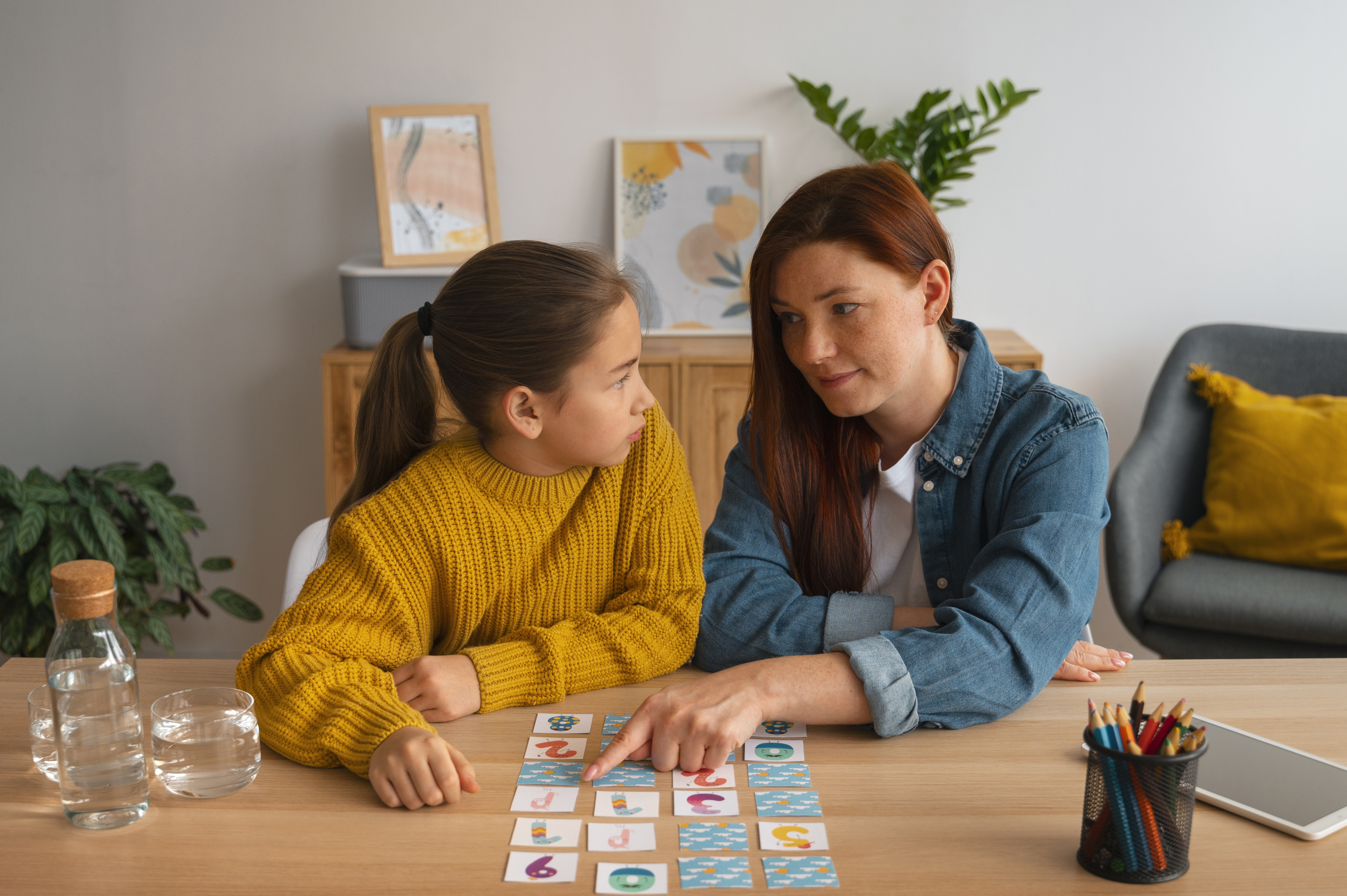
I'm Kristen — a Board Certified Behavior Analyst with years of experience working closely with children and families. From the moment I entered this field, I was drawn to the heart of the work: sitting on the floor with my kiddos, celebrating every tiny breakthrough, and guiding parents through both the triumphs and the tough days.
There's truly no greater reward than witnessing a child's progress and knowing you've been part of their journey toward growth and independence.
What no one warned me about: how much of the work happens away from the child.
Laptop open again. Dinner half-eaten. Assessments stacked on the desk. Spreadsheets and scoring manuals open in twelve tabs. The day's real work — being with the kids — finished hours ago.
As BCBAs, we're responsible for interpreting assessment results, writing individualized goals, and creating plans that guide every part of a child's intervention. These reports translate clinical knowledge into action. They secure funding, communicate progress, and ensure recommendations are tailored and evidence-based.
But writing them is no small task. It often consumes hours of our time and mental energy — leaving us drained and with less capacity to deliver the thoughtful, high-quality care our clients deserve.
After a full day of back-to-back sessions, supervising RBTs, rushing to an IEP meeting, and returning caregiver calls during lunch, I'd finally get home — only to open my laptop again. I wanted to be thoughtful. I wanted the report to guide meaningful intervention. More often than not, exhaustion turned the process into a mechanical, overwhelming task.
- 01Toggle between spreadsheets and scoring manuals
- 02Copy and paste raw scores into formatted tables
- 03Cross-check item responses against the protocol
- 04Write goals that reflect each child's unique needs
What if a smarter tool could make this faster — while making it better?
I brought the challenge home and began discussing it with my spouse, Hao. Through countless late-night conversations and brainstorming sessions, we realized the idea wasn't just possible — it was needed. The more we talked to others in the field, the more confident we became: we could create a tool that truly lightens the load for behavior analysts while upholding the clinical quality our work demands.
As a woman business leader in a field where innovation and care intersect, I started with a simple question and a deep desire to make things better. From that vision, I began building a team — turning sketches into prototypes, and ideas into a real product.
Behind every report is a child waiting for life-changing care.
Hao and I created Abalytic — a software solution designed by clinicians, for clinicians. Our tool turns raw assessment results into personalized program recommendations in just minutes. By harnessing the power of AI, we're elevating clinical work and redefining what's possible in ABA.
Every day, countless children face delays in receiving the care they need — not because of a lack of demand, but because BCBAs are stretched too thin. It's a quiet crisis of capacity. By streamlining the report-writing process, we give behavior analysts back valuable hours — making it possible to support more children with the attention and care each one deserves.
When behavior analysts are overwhelmed by paperwork, their time, energy, and passion are weighed down. We're here to change that. Our mission is to help clinicians reclaim their time, protect their well-being, and bring their full attention to what matters most — building brighter futures for the families they serve.